


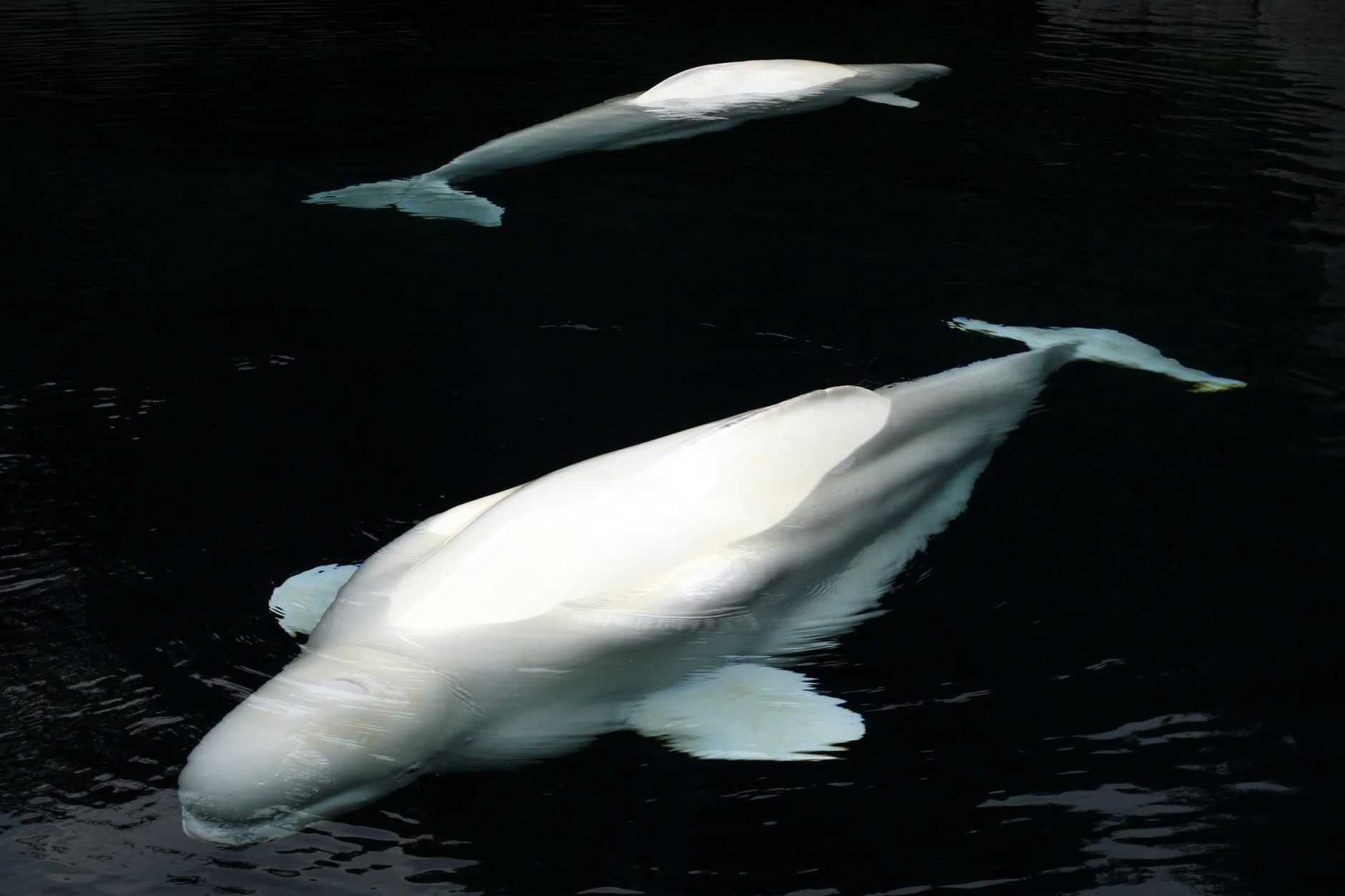
Beluga deaths have sparked scrutiny following three incidents in just eight days. This alarming trend raises questions about the effectiveness of marine rescue efforts at Shedd’s Marineland.
Understanding the Recent Beluga Deaths
In recent weeks, the marine community has been alarmed by a disturbing trend: a series of beluga deaths. Reports indicate that after three beluga deaths in just eight days, scrutiny of Shedd’s Marineland Rescue has intensified. This surge in mortality rates raises significant concerns about the health and well-being of these marine mammals.
Experts are investigating various potential factors contributing to this troubling phenomenon. Some of the key areas of focus include:
- Environmental Changes: Alterations in ocean temperature and pollution may impact the health of belugas.
- Health Issues: Pre-existing health conditions in the belugas may have contributed to their untimely deaths.
- Human Interference: Increased human activity in their habitats could lead to stress and other complications.
Understanding the real cause behind these beluga deaths is crucial for conservation efforts and ensuring the survival of the species. Continued research and monitoring are essential to address this escalating issue.
The Role of Shedd Aquarium in Marine Rescue
In the wake of the troubling trend of beluga deaths, Shedd Aquarium has come under increased scrutiny regarding its role in marine rescue efforts. As a prominent institution in marine conservation, Shedd Aquarium has been actively involved in rehabilitating and rescuing marine mammals, including belugas. However, recent events have raised questions about the effectiveness of these initiatives.
Following the unfortunate passing of three belugas in just eight days, concerns have been expressed about the conditions and practices within the aquarium’s facilities. Critics argue that while Shedd Aquarium plays a vital role in marine rescue, it must also prioritize the health and well-being of the animals in its care.
Some key points being discussed include:
- The adequacy of veterinary care provided to rescued belugas.
- The aquarium’s protocols for monitoring the health of marine mammals.
- Transparency in reporting the outcomes of rescue efforts.
As the beluga deaths continue to spark debate, the focus remains on finding effective solutions to ensure the safety and welfare of these magnificent creatures.
Public Response to Beluga Deaths
In the wake of the alarming trend of beluga deaths, public response has surged, with many expressing concern over the circumstances surrounding these tragic events. Social media platforms have become hotbeds of discussion, with individuals sharing their thoughts on marine conservation and the responsibilities of aquariums like Shedd.
Various advocacy groups have organized campaigns calling for increased transparency regarding beluga care and rescue efforts. Petitions demanding more stringent regulations on marine life in captivity have garnered thousands of signatures.
Additionally, community gatherings are being held to raise awareness about the threats facing belugas in their natural habitats, including climate change and pollution. Among the discussions, some experts emphasize the need for a deeper understanding of the causes behind the recent beluga deaths, urging for a collaborative approach to marine conservation.
As public scrutiny of Shedd Aquarium’s role in marine rescue grows, many hope that these tragic incidents will lead to meaningful changes in the treatment and protection of marine life.
Investigating the Causes of Beluga Deaths
The recent surge in beluga deaths has raised alarming questions regarding the underlying causes of this trend. Experts are investigating various factors that may contribute to the health crisis among these marine mammals.
One primary concern is the impact of environmental changes. Pollution and climate change are altering the habitats where belugas thrive, potentially affecting their feeding and breeding patterns. Additionally, ocean noise from shipping and industrial activities may disrupt their communication and navigation.
Another critical aspect under scrutiny is the role of health and disease. Scientists are examining whether increased exposure to pathogens and parasites due to changing ocean conditions is leading to higher mortality rates among belugas.
Moreover, the management practices at facilities like Shedd Aquarium are being evaluated. The recent deaths have prompted calls for transparency and improved care protocols in marine rescue operations, as the public seeks answers to the growing number of beluga deaths.
What Experts Say About Marine Rescue
Experts in marine biology and conservation are increasingly weighing in on the recent trend of beluga deaths. Many emphasize the complexities involved in rescuing marine mammals, particularly given the unique challenges presented by each individual case. Dr. Emily Cartwright, a marine mammal specialist, insists that understanding the specific conditions leading to these incidents is crucial for effective intervention. She states, “Each beluga is different, and their needs can vary widely based on health, environment, and stress factors.”
Additionally, Dr. James Thompson, a veterinarian involved in marine rescue, notes that the recent beluga deaths could be symptomatic of larger environmental issues. “We must consider not just the immediate health of these animals but also the broader ecological factors at play,” he explains.
The consensus among experts is clear: ongoing research and monitoring are essential to tackle the rising number of beluga deaths. As public interest grows, so too does the urgency to address the root causes affecting these vulnerable creatures.
Future of Beluga Whales in Captivity
The future of beluga whales in captivity remains uncertain as concerns over their well-being continue to grow. Recent reports of beluga deaths have sparked a heightened scrutiny of the conditions these marine mammals face in aquariums, particularly at institutions like Shedd Aquarium.
Experts argue that the captivity environment often fails to replicate the vast, complex habitats belugas thrive in, leading to physical and psychological stress. This stress can contribute to health issues, which may explain the troubling trend of beluga deaths observed in recent years.
In response to public outcry, some aquariums are reevaluating their practices and considering more humane approaches to marine life care. Potential alternatives include:
- Improving habitat conditions to mimic natural environments
- Focusing on rehabilitation and release of injured or sick marine mammals
- Enhancing educational programs to raise awareness about the plight of belugas
As the conversation surrounding beluga deaths evolves, the future of these creatures in captivity will hinge on the commitment to their welfare and conservation efforts.
How to Support Marine Conservation Efforts
As the troubling trend of beluga deaths continues to raise concerns, it becomes increasingly important for individuals to take action and support marine conservation efforts. Here are several ways you can contribute:
- Educate Yourself and Others: Stay informed about the status of marine wildlife, including the factors contributing to the recent beluga deaths. Share this knowledge with friends and family to raise awareness.
- Support Reputable Organizations: Donate to marine conservation organizations that focus on the protection of beluga whales and their habitats. These funds often go towards research and rescue efforts.
- Reduce Plastic Use: Minimize your use of single-use plastics, as they can end up in the oceans and harm marine life. Opt for reusable products whenever possible.
- Participate in Cleanups: Join local beach or river cleanups to protect the ecosystems that support marine animals, including belugas.
- Advocate for Policy Change: Support legislation that promotes marine conservation and addresses the threats faced by species like the beluga whale.
By taking these steps, you can help mitigate the factors contributing to the alarming trend of beluga deaths and support the health of our oceans.
Photo by Jeffry Surianto on Pexels