


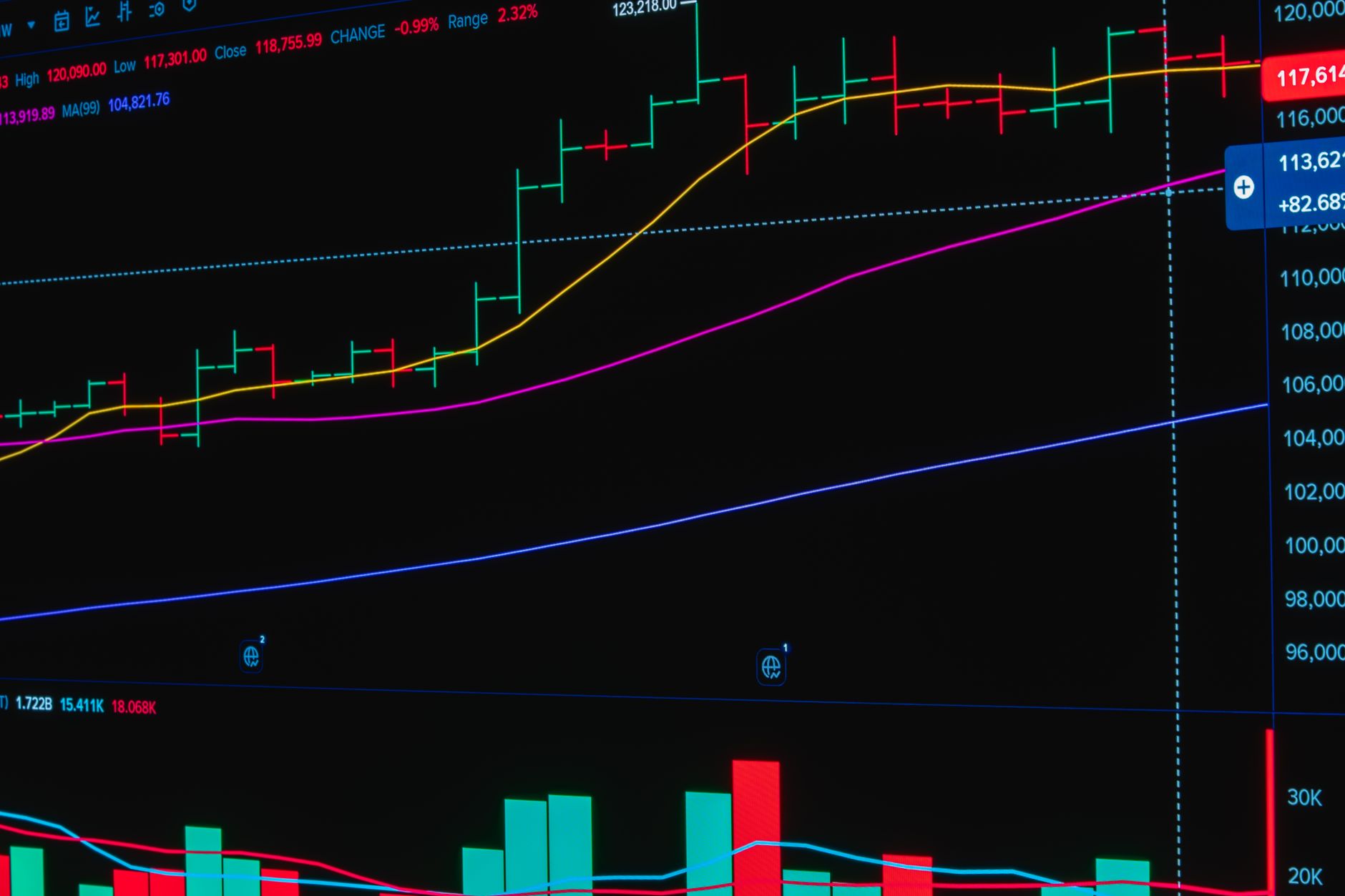
Prediction markets crackdown is a significant development in Connecticut’s gambling regulations. This move aims to address concerns surrounding the legality and fairness of such betting platforms.
Overview of Connecticut’s Gambling Laws
Connecticut has long been known for its comprehensive gambling laws, which aim to regulate and control various forms of gaming within the state. Recently, the state has taken significant steps to enforce these regulations more strictly, particularly regarding prediction markets. These platforms, which allow users to wager on the outcomes of future events, have gained popularity but also raised concerns among lawmakers.
Under Connecticut law, all forms of gambling must be licensed and regulated to ensure fair play and protect consumers. The state’s approach encompasses a variety of gaming options, including:
- Casino gambling
- Sports betting
- Online gambling
- Lottery games
However, prediction markets have operated in a gray area, often not clearly defined within existing legislation. As a result, the recent crackdown on these markets is seen as an attempt to close loopholes and enforce compliance with state gambling laws. Proponents of the crackdown argue that it is necessary to maintain integrity and protect citizens from potential scams and unregulated betting practices.
Critics, on the other hand, express concerns that such measures may stifle innovation and limit the options available to consumers who enjoy participating in these markets. The debate continues as stakeholders assess the implications of Connecticut’s crackdown on prediction markets.
Impact of Prediction Markets on Bettors
The recent crackdown on prediction markets in Connecticut has raised concerns among bettors who rely on these platforms for various wagering opportunities. Many individuals are attracted to prediction markets due to their unique characteristics, which allow users to bet on the outcomes of events ranging from sports to politics.
For bettors, the impact of this crackdown could be significant. Some potential consequences include:
- Reduced Options: With fewer platforms available, bettors may find it challenging to access diverse markets.
- Increased Costs: As competition decreases, remaining platforms might raise fees or reduce payouts, affecting the overall profitability for bettors.
- Shift to Unregulated Markets: A crackdown might push bettors towards unregulated or offshore sites, which pose risks of fraud and lack consumer protection.
- Impact on Information Flow: Prediction markets often serve as indicators of public sentiment. Restrictions could hinder the availability of information that bettors typically analyze.
Moreover, the crackdown may stifle innovation and the growth of a sector that many believe could enhance the gambling landscape. As Connecticut continues to evaluate its stance on gambling, the long-term effects on bettors and the broader market remain uncertain. Ultimately, the question remains: is the prediction markets crackdown the right move for the state?
Reasons Behind the Crackdown
The recent crackdown on prediction markets by Connecticut officials has sparked considerable debate among lawmakers, economists, and bettors alike. Several factors have contributed to this decision, which aims to regulate an increasingly popular form of gambling.
- Legal Ambiguities: Prediction markets often operate in a gray area of the law, making it difficult for regulators to enforce existing gambling statutes. The crackdown seeks to clarify these legal uncertainties, ensuring all forms of betting comply with state regulations.
- Consumer Protection: Officials argue that regulation is essential for protecting consumers from potential fraud and malpractice. In a rapidly evolving digital landscape, unregulated prediction markets could expose bettors to significant risks.
- Revenue Concerns: State officials have expressed concern over potential revenue losses from unregulated markets. By cracking down on these platforms, Connecticut aims to safeguard tax revenues that are essential for funding various public services.
- Social Responsibility: There is a growing emphasis on responsible gambling practices. The state believes that stricter regulations will help mitigate problem gambling and its associated societal impacts.
As Connecticut moves forward with its prediction markets crackdown, the implications for bettors and the broader gambling landscape remain to be seen.
Expert Opinions on the Regulation
Experts in the field of gambling regulation have voiced a spectrum of opinions regarding the recent prediction markets crackdown in Connecticut. Many believe that this move reflects a growing concern over the potential risks associated with unregulated betting platforms.
- Dr. Emily Turner, an economist specializing in gambling behavior, argues that “crackdowns like this are essential to protect consumers from fraudulent practices.” She emphasizes the importance of ensuring that bettors have a safe environment, free from manipulation.
- John Mitchell, a legal analyst, contends that while regulation is necessary, the approach taken by Connecticut might be too stringent. “Regulation should aim to foster innovation while maintaining integrity,” he states, suggesting that a balanced framework could benefit both the state and bettors.
- Sarah Chen, a market strategist, raises concerns that the crackdown could push bettors to underground markets. “When legitimate options are restricted, people will find alternative ways to engage in prediction betting, which can be far more dangerous,” she warns.
As Connecticut navigates this complex issue, the debate surrounding the prediction markets crackdown continues. Stakeholders from various sectors are closely monitoring the outcomes, hoping to find a middle ground that satisfies regulatory needs while allowing for healthy market growth.
Future of Gambling in Connecticut
The future of gambling in Connecticut appears to be entering a new phase as state officials implement a crackdown on prediction markets. This move raises questions about the potential impact on both the industry and the bettors who engage with these platforms.
As the state grapples with how to regulate emerging forms of gambling, several factors come into play:
- Regulatory Framework: The state is considering how to create a robust regulatory framework that balances innovation with consumer protection.
- Market Viability: Prediction markets have gained popularity, but their future remains uncertain amid the crackdown. Operators may face challenges in adapting to new regulations.
- Bettor Engagement: With stricter regulations, bettors might seek alternative platforms, potentially impacting the local economy and tax revenue from gambling activities.
Furthermore, the crackdown on prediction markets could set a precedent for other states contemplating similar measures. Policymakers need to weigh the benefits of regulation against the risks of pushing bettors towards unregulated options.
As Connecticut navigates this complex landscape, the outcome of the prediction markets crackdown will likely shape the future of gambling in the state and beyond.
Comparison with Other States
As Connecticut implements its crackdown on prediction markets, it is essential to examine how this approach compares to other states. Different jurisdictions have taken varied stances on the regulation of these markets, influencing both their growth and legality.
For instance, in states like California and New Jersey, prediction markets are largely unregulated, allowing them to flourish. These states have embraced such platforms as a means to engage citizens in political and social outcomes, fostering innovation in the betting landscape. The absence of stringent regulations has led to a vibrant ecosystem where users can freely participate, often leading to increased public interest in various events.
Conversely, states such as New York have opted for a stricter regulatory framework, similar to Connecticut’s recent crackdown on prediction markets. Here, the focus has been on consumer protection and the integrity of the betting process. Critics argue that this restrictive approach stifles competition and pushes bettors to seek unregulated alternatives.
In summary, while Connecticut’s prediction markets crackdown aligns with some states’ regulatory paths, it raises questions about its potential impact on the market’s viability. States that foster a more open environment may ultimately benefit from increased participation and revenue, challenging Connecticut’s current strategy.
What Bettors Should Know Now
As Connecticut implements a crackdown on prediction markets, bettors should be aware of several important changes that may affect their wagering experience. Here are some key points to keep in mind:
- Understanding the Regulations: With the new regulations, bettors need to familiarize themselves with the specific rules that govern prediction markets in the state. This includes knowing what types of bets are now prohibited and which markets remain accessible.
- Legal Consequences: Engaging in illegal betting activities can lead to significant legal repercussions. Bettors should ensure that their activities comply with the updated laws to avoid potential fines or other penalties.
- Alternative Betting Options: As certain prediction markets face restrictions, bettors might want to explore alternative platforms or types of gambling that are still permitted under Connecticut’s laws.
- Staying Informed: Keeping up with ongoing developments in legislation is crucial. Changes in gambling laws can happen frequently, and staying updated will help bettors make informed decisions.
- Community Impact: Understand how these regulations may influence the broader gambling community and economy in Connecticut. A crackdown on prediction markets might have ripple effects on local businesses and tourism.
In conclusion, while the prediction markets crackdown aims to regulate betting practices, it is essential for bettors to adapt to these changes and stay informed about their rights and options.
The recent prediction markets crackdown in Connecticut has raised questions about its impact on the future of such platforms. Many experts argue that this prediction markets crackdown could stifle innovation and limit consumer choice in the state.
Photo by Rafael Minguet Delgado on Pexels
References
Related reading
Unregulated Gambling Market: The Worst Trends Exposed · Linda Noskova’s Heartbreaking US Open Loss: A Real Journey · Is Gambling Ad Certification the Best Way to Ensure Safe Ads?