

The Asian Games accommodation model has come under scrutiny as PT Usha questions its effectiveness and safety for athletes. This issue highlights the need for better solutions.
Overview of the Asian Games accommodation model
The Asian Games accommodation model has faced significant scrutiny in recent weeks, particularly in light of the ongoing preparations for the upcoming event. As athletes and officials prepare to converge on the host city, concerns about the adequacy and accessibility of accommodations have been raised.
One major issue surrounding the accommodation model is the disparity in quality among the various lodging options. Reports have surfaced indicating that some athletes may be placed in subpar conditions, which could affect their performance and overall experience. To address these concerns, stakeholders are calling for a standardized evaluation of all accommodation facilities, ensuring that they meet specific criteria for comfort and safety.
In addition to quality concerns, logistics remain a pressing issue. The location of the accommodation facilities can significantly impact transportation and accessibility for participants. PT Usha, a prominent figure in Indian athletics, has voiced her concerns regarding the distance of the athletes’ village from competition venues. This has prompted organizers to explore more efficient transportation solutions.
- Implementing a centralized booking system for accommodations
- Conducting regular inspections of facilities
- Enhancing transportation links between venues and accommodation sites
By addressing these issues, the Asian Games accommodation model can provide a better experience for all participants.
PT Usha’s concerns about athlete safety
PT Usha, a prominent figure in Indian athletics, has raised significant concerns regarding the safety of athletes in the current Asian Games accommodation model. With the games approaching, her apprehensions highlight critical issues that could jeopardize the well-being of participants.
Usha pointed out several key factors that need immediate attention:
- Inadequate Security: There are reports of insufficient security measures at the accommodation facilities, which could expose athletes to potential risks.
- Health Risks: The hygiene standards in the dining and living areas have been questioned, raising alarms about the overall health and safety of the competitors.
- Accessibility Issues: Many athletes with disabilities have reported challenges in accessing essential services and facilities, which could hinder their performance.
Usha emphasized the need for timely solutions to these issues, advocating for a comprehensive review of the Asian Games accommodation model to ensure a safe and supportive environment. She believes that addressing these concerns is paramount not only for the athletes’ safety but also for the integrity of the games. As the event draws nearer, the pressure mounts for organizers to implement effective measures that guarantee athlete welfare.
Comparing accommodation models in sports events
As the Asian Games preparation intensifies, a critical evaluation of various accommodation models used in sports events has emerged. The Asian Games accommodation model, designed to host thousands of athletes and officials, raises several concerns that warrant attention.
In comparing accommodation strategies from previous international sports events, several key issues have been identified:
- Location Accessibility: Proximity to competition venues is crucial. Previous events, like the Olympics, prioritized setups within easy reach, minimizing transportation challenges for athletes.
- Safety and Security: Ensuring the safety of participants is paramount. Models that have implemented stringent security protocols have seen fewer incidents, enhancing athlete confidence.
- Comfort and Amenities: The quality of living spaces directly affects performance. Successful models feature comfortable accommodations equipped with essential amenities, promoting well-being and focus.
- Capacity Management: Efficient crowd management is essential for a smooth experience. Effective models have utilized staggered arrivals and clear communication strategies to manage guest flow.
Addressing these issues within the Asian Games accommodation model can lead to improved experiences for athletes, fostering a more successful and harmonious event overall.
Proven solutions for better athlete housing
In light of the challenges faced by the Asian Games accommodation model, several proven solutions have emerged to enhance athlete housing. These solutions focus on improving safety, accessibility, and comfort for all participants.
Firstly, implementing stringent safety regulations is essential. Regular inspections can ensure that facilities meet safety standards, reducing risks of accidents. Additionally, establishing clear emergency protocols will equip athletes and staff with the necessary procedures in case of unforeseen events.
Secondly, enhancing accessibility for athletes with disabilities is crucial. Designing accommodations with features like ramps, wider doorways, and adapted bathrooms can create a more inclusive environment. Furthermore, providing accessible transportation options will ensure that all athletes can navigate the venues with ease.
Comfort is another vital aspect of athlete housing. Incorporating personalized spaces where athletes can relax and unwind can significantly improve their overall experience. This includes providing adequate sleeping arrangements, common areas for socializing, and access to nutritious meals tailored to their dietary needs.
Ultimately, adopting these proven solutions can transform the Asian Games accommodation model into a system that prioritizes the welfare and performance of athletes, fostering a memorable sporting experience.
The impact of accommodation on performance
The accommodation provided to athletes during the Asian Games plays a crucial role in their overall performance. When athletes feel secure and comfortable in their living environment, they can focus more on their training and competitions. However, any disruption or discomfort in accommodation can lead to decreased performance levels.
Key factors influencing athlete performance include:
- Comfort: Adequate bedding, sanitation, and space are vital for restful sleep, which is essential for peak athletic performance.
- Safety: Concerns about safety can distract athletes, causing anxiety that hampers focus and concentration.
- Accessibility: Proximity to training facilities and competition venues can significantly affect an athlete’s routine, impacting their readiness.
Implementing an effective Asian Games accommodation model can address these issues. By ensuring that accommodations meet the specific needs of athletes, organizers can foster an environment that enhances performance. Proven solutions, such as modernized facilities and improved security measures, have already shown positive results in other international sports events. The focus must now shift towards applying these successful strategies to the Asian Games, ensuring that athletes are provided with the best possible living conditions during the competition.
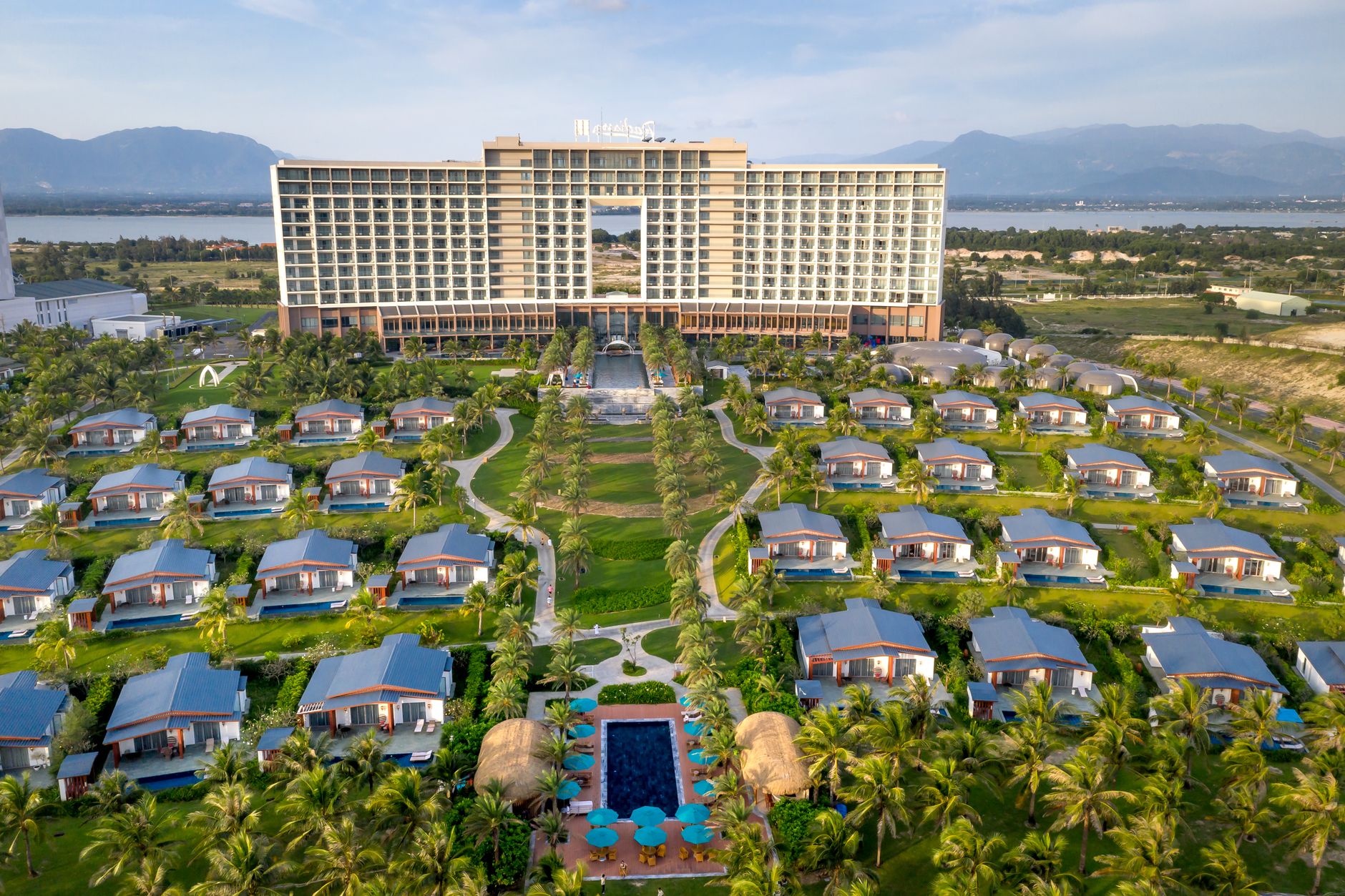
Photo by Quang Nguyen Vinh on Pexels
Sources
Related reading
IND-A vs AUS-A Test: What’s the Best Strategy for Success? · Kremlin Parliament vote: Is it the Worst Outcome for Russia? · Asian Games kabaddi: Is India’s win over Japan the best start?