


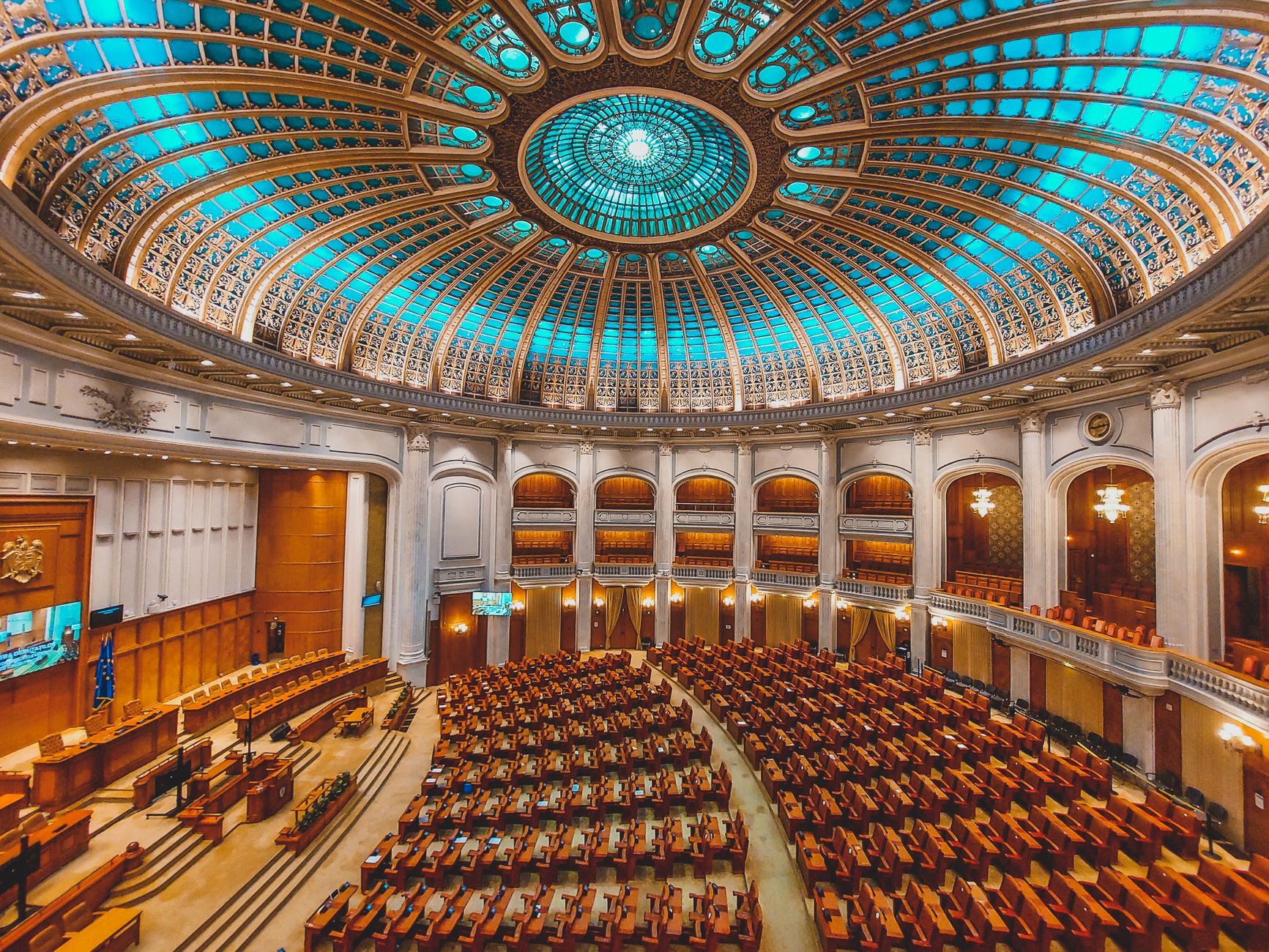
Kremlin Parliament vote has shown a significant win for Russia’s ruling party, raising concerns among opposition groups and observers alike.
Overview of the Kremlin Parliament Vote
The recent Kremlin Parliament vote has raised significant concerns regarding the future of democracy in Russia. The ruling party, United Russia, secured a substantial majority, effectively consolidating power within the government. This outcome has been criticized by many observers as a reflection of the Kremlin’s tight control over the electoral process.
Voter turnout was reported to be lower than previous elections, indicating a potential disillusionment among the populace. Key points of the election include:
- Manipulation of the electoral process: Allegations of unfair practices have emerged.
- Opposition suppression: Many opposition candidates were barred from participating.
- Public response: Protests and dissent have been met with a heavy-handed approach by authorities.
As the Kremlin Parliament vote concludes, questions arise about the implications for governance and civil liberties in Russia.
Implications for Russia’s Political Landscape
The recent Kremlin Parliament vote has significant implications for Russia’s political landscape, raising concerns about the future of democracy in the country. Observers note that the overwhelming victory of the ruling party may further entrench authoritarian practices and diminish political plurality.
Key implications include:
- Consolidation of Power: The Kremlin’s control over parliament is likely to lead to more stringent policies that prioritize state interests over individual rights.
- Suppression of Dissent: A dominant ruling party may stifle opposition, making it challenging for alternative voices to emerge in the political arena.
- Impact on Foreign Relations: The Kremlin Parliament vote may signal a shift towards more aggressive foreign policies, isolating Russia further on the global stage.
In summary, the Kremlin Parliament vote could represent not just a political maneuver, but a step back for civil liberties in Russia.
Reactions from Opposition Parties
The recent Kremlin Parliament vote has drawn sharp criticism from opposition parties, who argue that the results reflect a deeply flawed democratic process. Many have described the election as a mere formality that reinforces the ruling party’s grip on power.
Prominent opposition leader Alexei Navalny stated, “This vote was orchestrated to ensure that dissenting voices are silenced, leaving us with a facade of democracy.”
In addition, Yabloko, a liberal opposition party, condemned the vote as a “sham” and called for international observers to investigate electoral irregularities.
Furthermore, Communist Party officials expressed discontent, highlighting that their concerns were ignored during the election process. As the Kremlin Parliament vote concludes, the opposition warns that the resulting political landscape could stifle any hopes for genuine reform in Russia.
International Response to the Election Results
The recent Kremlin Parliament vote has elicited a swift and varied response from the international community. Many governments and organizations expressed concern over the legitimacy of the electoral process, citing reports of irregularities and suppression of dissent.
Key reactions include:
- The United States: Officials criticized the vote as “neither free nor fair,” calling for accountability and respect for democratic principles.
- The European Union: A spokesperson stated that the election results would not be recognized due to the lack of credible opposition and transparency.
- Human Rights Watch: The organization condemned the crackdown on political dissent in the lead-up to the Kremlin Parliament vote, highlighting the stifling of free speech.
Overall, the international response indicates deep skepticism about the implications of the vote for Russia’s future, raising questions about the stability of its political landscape.
Historical Context of Kremlin Elections
The Kremlin Parliament vote is steeped in a complex historical context that shapes its significance in contemporary Russia. Over the years, elections in Russia have often been characterized by a lack of genuine competition, with the ruling party maintaining a firm grip on power. This pattern can be traced back to the early 2000s when Vladimir Putin first rose to prominence.
Since then, the political landscape has evolved, but certain elements remain constant:
- Control of Media: State-owned media often portray the ruling party in a favorable light, influencing public perception.
- Suppression of Dissent: Opposition voices frequently face obstacles, limiting their capacity to challenge the status quo.
- Electoral Manipulation: Allegations of vote rigging and manipulation have marred numerous elections, including the recent Kremlin Parliament vote.
This historical backdrop raises questions about the legitimacy and future of Russia’s governance.
Future Predictions for Russian Governance
As the dust settles from the recent Kremlin Parliament vote, analysts are speculating about the future of Russian governance. Many believe that the overwhelming victory for the ruling party could lead to a consolidation of power that stifles dissent and curtails democratic processes.
Several key predictions have emerged regarding the political landscape:
- Increased Authoritarianism: Experts warn that the Kremlin may implement stricter laws to suppress opposition and tighten control over civil society.
- Economic Challenges: With a focus on maintaining power, the government may neglect pressing economic issues, impacting ordinary citizens.
- International Isolation: Continued disregard for democratic norms could lead to further sanctions and diplomatic rifts with Western nations.
Ultimately, the Kremlin Parliament vote raises concerns about the trajectory of governance in Russia and its implications for both domestic and international relations.
Kremlin Parliament Vote: What Comes Next?
The recent Kremlin Parliament vote has raised significant questions about the future of governance in Russia. As the ruling party secures a dominant position, the path forward remains uncertain for many citizens. Analysts suggest several potential outcomes:
- Increased Centralization: The Kremlin may further consolidate power, reducing the influence of regional authorities.
- Stifling of Opposition: Continued suppression of dissent is likely, which could lead to increased unrest among the populace.
- International Relations: The Kremlin’s approach to foreign policy may shift, impacting relations with the West.
As these dynamics unfold, it is crucial for observers to monitor the implications of the Kremlin Parliament vote on Russia’s domestic and international standing. The ramifications could shape the political landscape for years to come.
Photo by Czapp Árpád on Pexels